
-
Hotel (Chilas/Karimabad)
-
Islamabad
-
Islamabad
-
Mid-September – Mid-November (peak color: October)
-
Guided
-
English, Urdu
-
Breakfast, Lunch and Dinner
-
Seasonal
-
Private Vehicle
-
1–3 Hours
-
~2,800m (Duikar/Eagle's Nest)
-
5
-
70
Overview
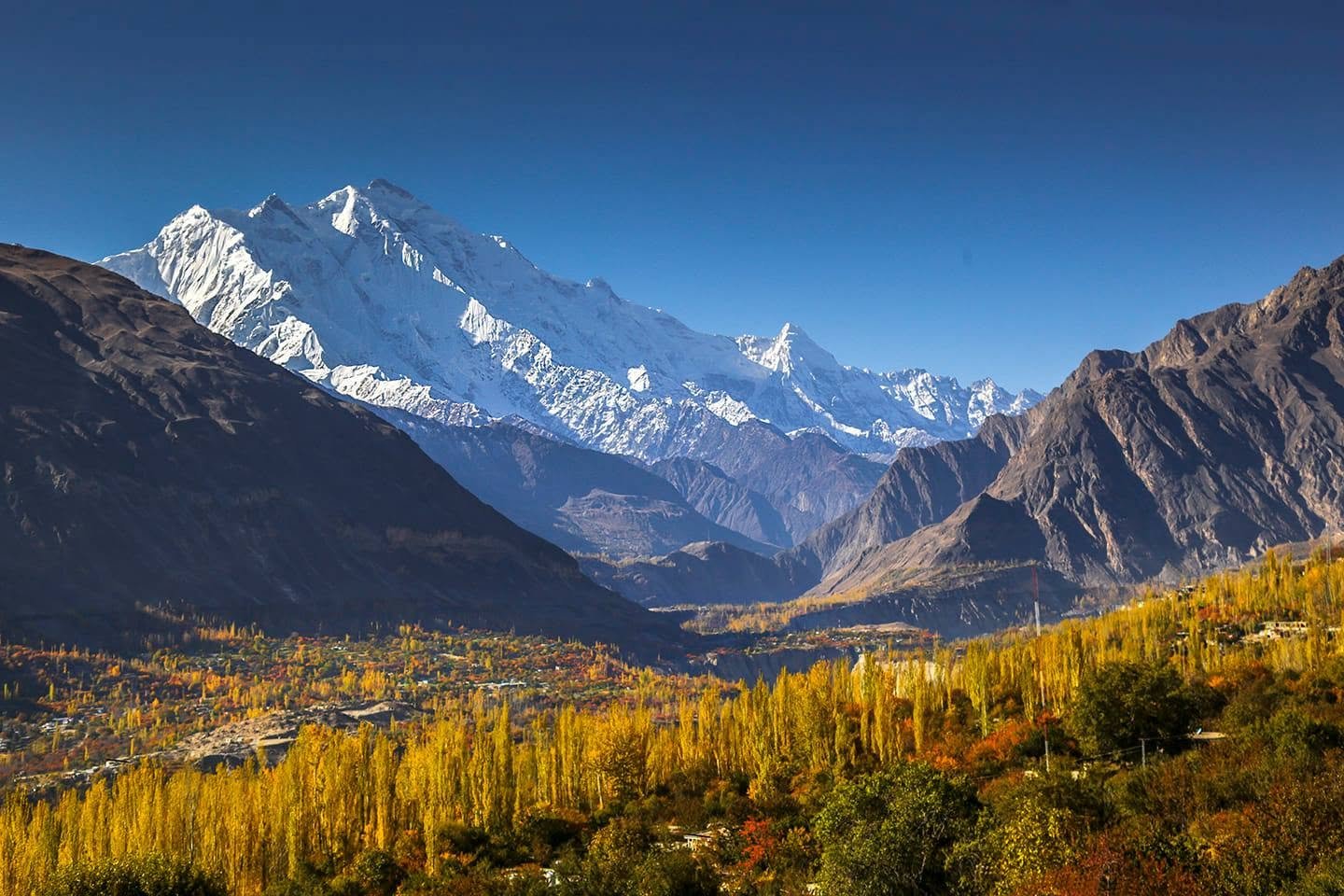
Locals in Hunza call autumn the “golden season,” and once you’ve seen it, the name makes complete sense. Starting around mid-September and building through October, the valley’s poplar, apricot, apple, and walnut trees turn shades of amber, gold, crimson, and burnt orange — a transformation set against the turquoise Hunza River and the permanently snow-capped Karakoram peaks behind it. It’s also harvest time: farmers bring in apples and walnuts through the season, and the valley’s terraced fields take on the look of a working landscape rather than a purely scenic one.
This tour follows the golden season through Hunza’s best-known viewpoints and villages — Karimabad’s forts framed in autumn color, the quieter Hopper Valley, and the string of lakes and villages up in Gojal (upper Hunza), where Attabad Lake’s turquoise water sits especially striking against the fall foliage. Clear autumn skies also mean some of the best photography conditions of the year, with crisp light and none of the summer haze that can soften mountain views in Hunza during peak trekking season.
Trip Highlights
- Golden poplar, apricot, and walnut trees against the turquoise Hunza River and Karakoram peaks
- Baltit Fort and Altit Fort's royal garden, especially photogenic in autumn color
- Hopper Valley, a quieter, less-visited alternative for autumn scenery near Karimabad
- Attabad Lake, Borith Lake, and the villages of Gulmit and Passu in upper Hunza (Gojal)
- Sunset views from Duikar (Eagle's Nest) over both Hunza and Nagar valleys
- Crisp autumn light — considered one of the best seasons of the year for photography in Hunza