
Overview
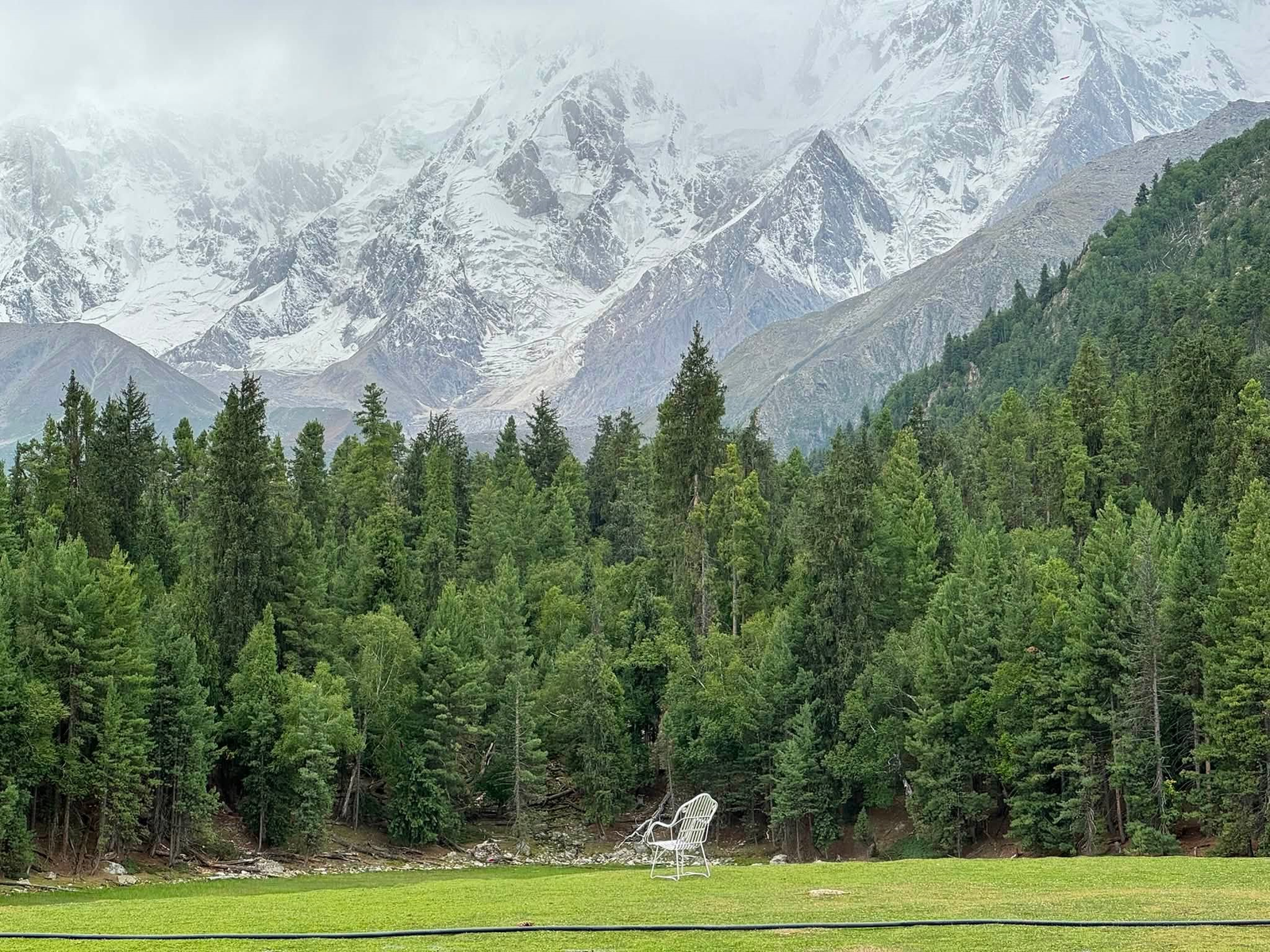
Locals call it Joot, but the world knows this alpine plateau as Fairy Meadows — a name said to have come from early German mountaineers who, arriving here on their way to Nanga Parbat, described it as a place where fairies might live. Sitting at roughly 3,300m in the Raikot Valley of Diamer District, Fairy Meadows looks directly across at the sheer Raikot Face of Nanga Parbat, the world’s ninth-highest peak and one nicknamed, more ominously, the “Killer Mountain” for its long and difficult climbing history. Declared a national park in 1995, it remains one of the most photographed — and most talked-about — destinations in Gilgit-Baltistan.
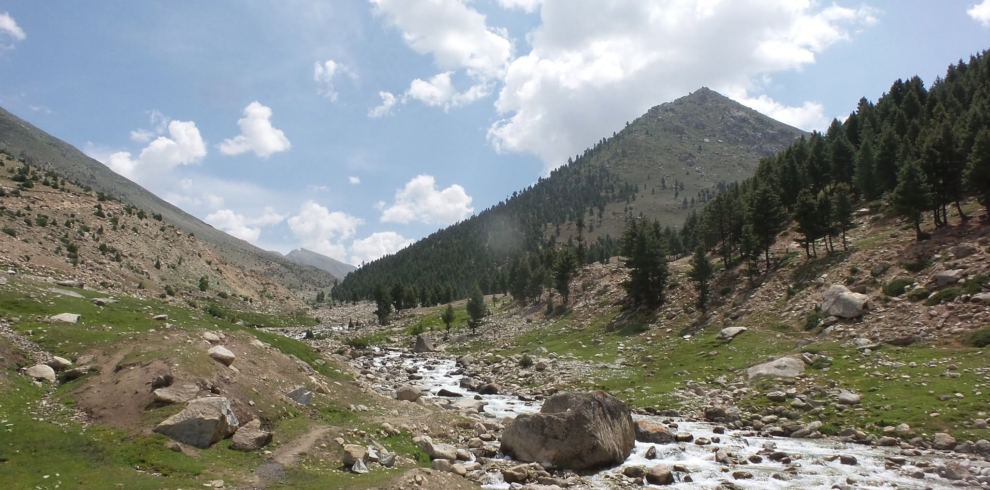
Part of the appeal is the journey itself. Reaching Fairy Meadows means leaving the Karakoram Highway at Raikot Bridge for a jeep track carved into a cliffside, often ranked among the most dramatic mountain roads anywhere in the world; a single-lane dirt track with rock on one side and a long drop on the other, driven by local jeep drivers who make the whole thing look routine. From the roadhead at Tato Village, a gentle 2–3 hour walk through pine forest — or a horse ride, for those who’d rather not — leads up to the meadow itself, where Nanga Parbat comes into full view for the first time.
This tour is built around that arrival: two nights spent at Fairy Meadows itself, with time to explore the meadow, take in Nanga Parbat at sunrise and sunset, and — for those who want it — walk further toward a closer viewpoint of the mountain, without turning the trip into a demanding trek.
Highlights
- Face-to-face views of Nanga Parbat (8,126m), the "Killer Mountain," from one of its most iconic vantage points
- The thrilling jeep ride from Raikot Bridge to Tato Village, on one of the world's most talked-about mountain roads
- A gentle forest walk (or horse ride) up to the meadow itself
- Two nights at Fairy Meadows in traditional wooden cottages, with unmatched stargazing after dark
- Optional walk toward a closer Nanga Parbat viewpoint for those who want to go further
- Scenic drive along the Karakoram Highway, following the Indus River